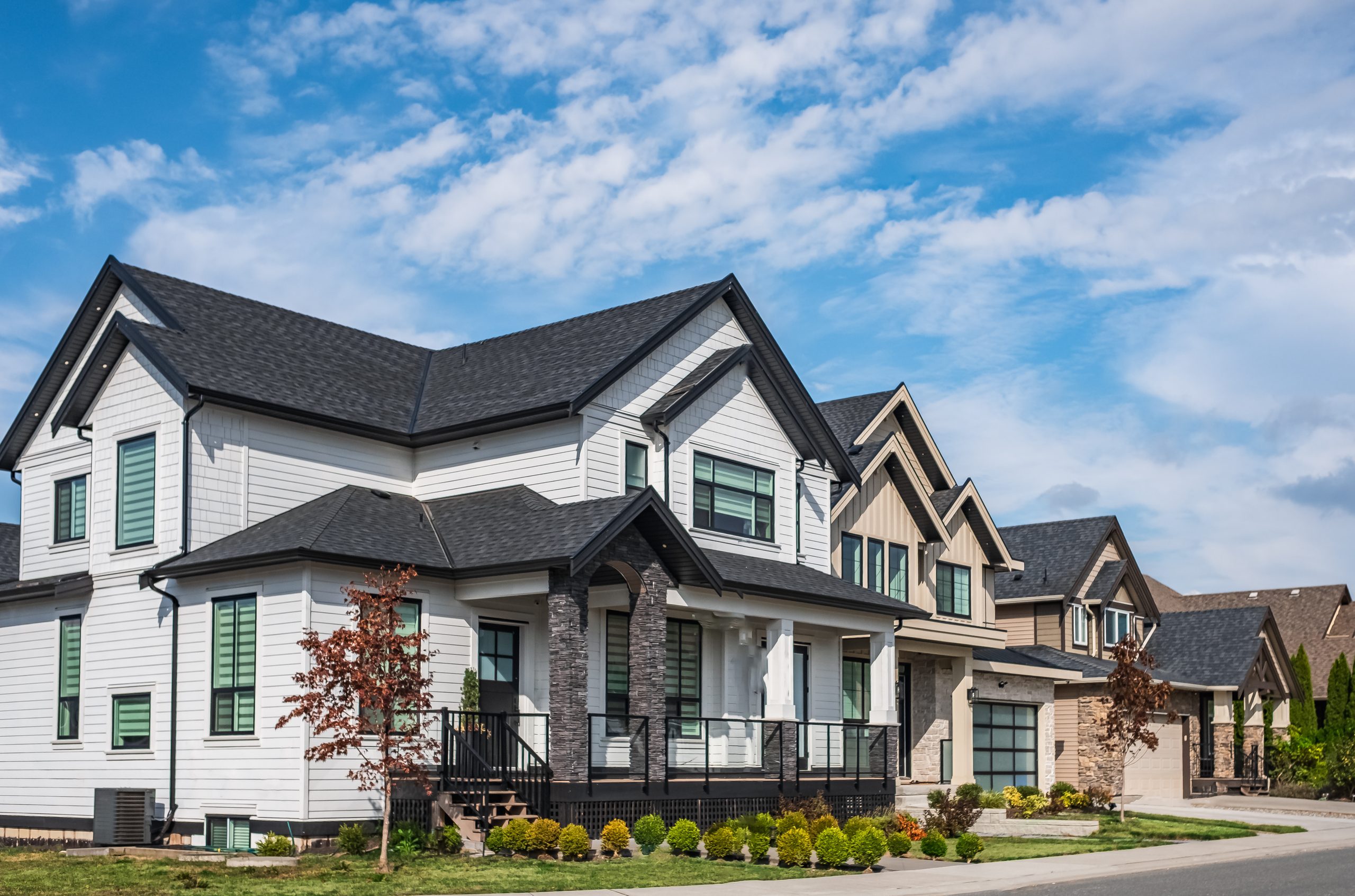
The Idea That More Choices Mean a Better House
People walk into the planning process for a custom home thinking the whole point is unlimited choice. Pick any layout, any finish, any fixture, and the house that comes out the other end will be exactly what you wanted. I understand why people think this. It is the whole pitch of “custom.” But I have watched it work against people more times than I can count.
Too many open decisions at once does not produce a better home. It produces decision fatigue, budget creep, and a build that drags on because nobody can settle anything.
What Actually Happens When Everything Is on the Table
If you hand a client a blank sheet for every single choice, from door hardware to window placement to the pitch of the roof, you are asking them to become a designer, a builder, and a budget manager all in one conversation. Most people are not any of those things, and they should not have to be.
What happens instead is that small decisions get made in a rush, late, under pressure, because a subcontractor is standing on site waiting for an answer. Rushed decisions on a job site are rarely good ones. They get made to keep the schedule moving, not because they are right for the house.
I have seen clients spend three weeks on a tile pattern and thirty minutes on where their electrical panel goes. The order of priority gets backwards when there is no structure guiding it.
The Difference Between Custom and Unstructured
Custom does not have to mean unlimited. It means the house fits the people living in it. Those are different things.
A good custom build starts with a short list of decisions that actually shape how the house works: the layout, the flow between rooms, how the family actually uses their space day to day. Those decisions come first, and they come with real thought behind them, because they are hard to undo later.
Everything downstream of that, finishes, fixtures, colors, can happen inside a narrower set of choices that I have already vetted for quality and fit. That is not me limiting someone’s vision. That is me protecting their time and their budget for the decisions that matter most.
Why Narrowing Choices Actually Respects the Client More
I think there is a version of “customer service” in this industry that mistakes more options for more respect. It is the opposite. Handing someone forty tile samples and walking away is not generous. It is a way of avoiding the harder work of guiding a decision.
Real service in a custom build looks like sitting down and asking what a family actually needs from a kitchen before showing them a single cabinet door. It looks like saying no to an option that will blow the budget for no functional gain, even if it looks nice in a showroom.
Clients do not remember how many choices they got to make. They remember whether the finished house works for how they actually live.
Where Unlimited Choice Is Worth the Cost
I am not saying every decision should be narrowed. There are places where the client’s preference should run free, because it is personal and it does not affect the bones of the house. Paint colors. Landscaping style. The kind of thing that can change in five years without touching the structure.
The mistake is treating every decision like it belongs in that category. A layout change six weeks into framing is not the same as swapping a paint color. One is cosmetic. The other reshapes the schedule, the budget, and sometimes the foundation.
What I Tell People Before We Start
I tell every client the same thing before we break ground: I am going to ask you to make fewer decisions than you expect, and I am going to ask you to make the important ones early. That is not a limitation on what custom means. That is what makes custom actually deliverable on time and on budget.
The houses I am proudest of were not the ones where the client picked from the widest catalog. They were the ones where the client and I agreed early on what mattered, and then held that line the whole way through the build.